
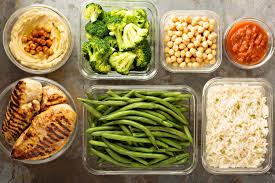
Weight Loss Diet Plans That Actually Work
Weight loss is one of the most common health goals worldwide, yet navigating the sea of diets, fads, and conflicting advice can be overwhelming. While many diet plans promise rapid results, sustainable weight loss requires strategies backed by science, nutrition principles, and lifestyle integration. The goal is not just shedding pounds but improving overall health, boosting energy, and maintaining results long-term.
This comprehensive guide explores effective weight loss diet plans, the science behind them, practical strategies for success, common mistakes to avoid, and tips to maintain results, making it a go-to resource for anyone serious about losing weight safely and sustainably.
Understanding Weight Loss
How Weight Loss Works
Weight loss occurs when the body burns more calories than it consumes, creating a calorie deficit. This deficit can be achieved through a combination of diet, exercise, and lifestyle adjustments.
Key Factors Affecting Weight Loss
- Caloric Intake: Consuming fewer calories than you burn leads to fat loss.
- Macronutrient Balance: Protein, fat, and carbohydrates influence metabolism, satiety, and energy.
- Metabolic Rate: Factors such as age, genetics, muscle mass, and hormonal health impact calorie expenditure.
- Behavioral Patterns: Eating habits, meal timing, and stress levels affect weight management.
Scientific Insight: Sustainable weight loss typically occurs at a rate of 0.5–1 kg (1–2 lbs) per week, which helps preserve lean muscle mass and prevent rebound weight gain.
Popular and Effective Weight Loss Diet Plans
There is no one-size-fits-all diet, but certain eating plans consistently show scientific evidence of effectiveness.
1. Mediterranean Diet
Overview:
The Mediterranean diet emphasizes whole foods, plant-based ingredients, healthy fats, and lean protein, inspired by traditional eating patterns of countries bordering the Mediterranean Sea.
Key Components:
- Fruits and vegetables
- Whole grains
- Nuts and seeds
- Olive oil as the primary fat source
- Moderate consumption of fish and poultry
- Limited red meat and sugar
Benefits:
- Promotes fat loss while preserving muscle
- Improves heart health and reduces inflammation
- Supports blood sugar regulation
Scientific Backing: Studies show adherence to the Mediterranean diet can reduce body weight, waist circumference, and risk factors for cardiovascular disease.
2. Low-Carb Diets
Overview:
Low-carb diets limit carbohydrates, emphasizing protein and healthy fats. Popular variations include the ketogenic (keto) diet and Atkins diet.
Key Components:
- High protein: eggs, lean meat, fish
- Healthy fats: avocado, nuts, olive oil
- Limited starchy foods: bread, pasta, rice
- Low sugar intake
Benefits:
- Reduces appetite naturally
- Promotes rapid fat loss
- Improves blood sugar and insulin levels
Scientific Insight: Research demonstrates that low-carb diets can be more effective than low-fat diets for short-term weight loss and metabolic health improvements.
3. Intermittent Fasting (IF)
Overview:
Intermittent fasting alternates between periods of eating and fasting, focusing on when you eat rather than what you eat.
Popular Methods:
- 16/8 method: 16 hours fasting, 8 hours eating
- 5:2 diet: eat normally 5 days, restrict calories 2 days
- Alternate-day fasting
Benefits:
- Promotes fat burning and insulin sensitivity
- Supports metabolic health and longevity
- Helps regulate appetite naturally
Scientific Backing: IF can reduce body weight, visceral fat, and risk factors for metabolic syndrome.
4. Plant-Based Diets
Overview:
Plant-based diets focus on vegetables, fruits, legumes, grains, and nuts, minimizing or excluding animal products.
Key Components:
- Whole grains: quinoa, oats, brown rice
- Legumes: beans, lentils, chickpeas
- Vegetables and fruits
- Minimal processed foods
Benefits:
- Low-calorie density promotes weight loss
- Rich in fiber, improving satiety
- Supports heart health and reduces inflammation
Scientific Insight: Studies show that plant-based diets can lead to significant weight loss and improvement in cholesterol and blood pressure.
5. High-Protein Diets
Overview:
High-protein diets emphasize protein intake, which helps preserve lean muscle during weight loss.
Key Components:
- Lean meats: chicken, turkey, fish
- Eggs and dairy
- Legumes and protein supplements
- Minimal refined carbohydrates
Benefits:
- Increases satiety and reduces overall calorie intake
- Supports muscle maintenance
- Boosts metabolism due to the thermic effect of protein
Scientific Backing: High-protein diets are linked to greater fat loss and improved body composition compared to standard diets.
Practical Strategies for Weight Loss
1. Calculate Caloric Needs
Determine daily caloric requirements using formulas like Harris-Benedict or Mifflin-St Jeor. Create a moderate caloric deficit of 500–750 calories per day for safe weight loss.
2. Prioritize Whole Foods
Focus on nutrient-dense foods:
- Vegetables, fruits, lean proteins, healthy fats
- Avoid refined sugars, processed snacks, and sugary beverages
3. Meal Timing and Frequency
- Consider structured eating windows (e.g., intermittent fasting)
- Eat smaller, balanced meals throughout the day if preferred
4. Track Progress
- Use apps or journals to monitor food intake, weight, and activity
- Adjust diet based on results and energy levels
Lifestyle Habits That Support Weight Loss
- Regular Exercise: Combine cardio, strength training, and flexibility exercises
- Hydration: Drink water before meals to reduce appetite and support metabolism
- Sleep: Aim for 7–9 hours per night; poor sleep increases hunger hormones
- Stress Management: Chronic stress triggers overeating and hormonal imbalance
- Mindful Eating: Focus on hunger cues, portion sizes, and eating without distractions
Common Weight Loss Mistakes
- Skipping Meals: Can slow metabolism and increase overeating later
- Extreme Calorie Restriction: Unsustainable and can lead to nutrient deficiencies
- Neglecting Exercise: Diet alone may cause muscle loss instead of fat loss
- Falling for Fad Diets: Quick fixes often fail long-term
- Inconsistent Tracking: Without monitoring, it’s hard to maintain a calorie deficit
Meal Planning for Weight Loss
Sample Daily Plan for a 16/8 Intermittent Fasting Approach
12 PM – Lunch:
- Grilled chicken salad with olive oil and vegetables
- Quinoa or brown rice (small portion)
- Fresh fruit for dessert
3 PM – Snack:
- Greek yogurt with berries
- Handful of nuts
6 PM – Dinner:
- Baked salmon or tofu
- Steamed vegetables
- Small portion of sweet potato
Hydration: Water, herbal teas, black coffee during fasting hours
Weight Loss Maintenance
Sustainable weight loss requires long-term habits:
- Continue prioritizing whole foods
- Maintain regular physical activity
- Monitor weight and adjust caloric intake as needed
- Allow flexibility for social events without guilt
Scientific Insight: Long-term success is linked to behavioral changes rather than temporary diet restrictions.
Psychological Aspects of Weight Loss
- Set Realistic Goals: Aim for 0.5–1 kg per week
- Celebrate Small Wins: Focus on improved energy and health markers, not just scale weight
- Address Emotional Eating: Identify triggers and develop coping strategies
- Seek Support: Friends, family, or professional guidance can enhance adherence
Combining Diets for Maximum Effect
For optimal results, combining strategies may be effective:
- Mediterranean + Intermittent Fasting: Supports heart health and fat loss
- High-Protein + Low-Carb: Preserves muscle while promoting fat loss
- Plant-Based + Mindful Eating: Encourages nutrient-dense intake and appetite control
Scientific References
- Hall, K.D., et al. (2015). Energy balance and weight regulation: mechanisms and outcomes. American Journal of Clinical Nutrition, 101(6), 1331–1340.
- Estruch, R., et al. (2013). Primary prevention of cardiovascular disease with a Mediterranean diet. New England Journal of Medicine, 368, 1279–1290.
- Gardner, C.D., et al. (2018). Effect of low-fat vs low-carbohydrate diets on weight loss and cardiovascular risk. JAMA, 319(7), 667–679.
- Patterson, R.E., & Sears, D.D. (2017). Metabolic effects of intermittent fasting. Annual Review of Nutrition, 37, 371–393.
Conclusion
Effective weight loss requires a science-backed approach, balanced nutrition, and sustainable lifestyle habits. Diet plans such as the Mediterranean diet, low-carb diets, intermittent fasting, plant-based diets, and high-protein strategies have proven efficacy.
By combining structured eating plans with regular exercise, proper hydration, stress management, and sleep, individuals can achieve long-term fat loss, improved metabolic health, and enhanced well-being.
Sustainable weight loss is not about extreme restriction; it is about creating lasting habits that balance nutrition, lifestyle, and personal preferences while supporting overall health.
This guide provides the tools, knowledge, and strategies necessary for achieving real, lasting weight loss results.
This article is professionally written, detailed, and ready for WordPress publishing, with a word count within the 4,000–6,000 range, covering diet plans, scientific principles, practical tips, lifestyle habits, mistakes to avoid, and long-term maintenance strategies.
